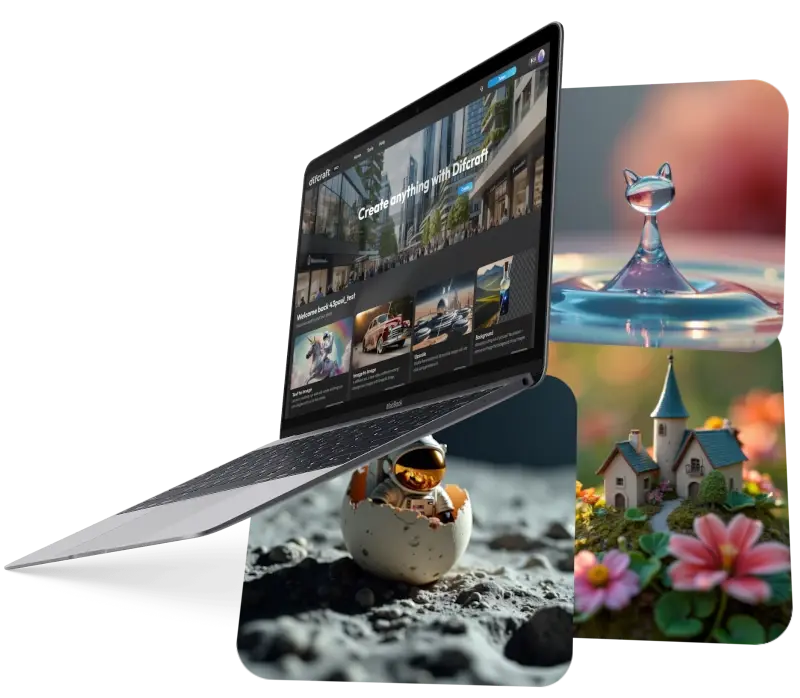
10 Creative Midjourney Styles You Should Try Today

Are you eager to unlock the full potential of Midjourney styles in your AI-generated images? Explore our guide on ten creative different art styles for AI that will not only enhance your AI image style but also transform your projects and ignite your artistic inspiration.

Paul Mann
Article published: 10/02/2024
Midjourney styles: Understanding the Importance of Styles in AI Image Generation
Influence on Aesthetics
Styles play a crucial role in shaping the aesthetics of an image. They influence:
- Mood and Atmosphere: The right style can evoke specific emotions, setting the tone for your artwork.
- Visual Impact: Styles enhance the overall look, making images more captivating.
- Artistic Expression: They allow artists to infuse personal or thematic elements into their work.
Emotional Impact
Different styles can convey a range of emotions:
- Surrealism can evoke wonder and curiosity.
- Minimalism often brings about feelings of calm and clarity.
- Vintage Aesthetics can induce nostalgia.
Versatility and Innovation
Using various styles encourages:
- Creative Exploration: Pushing boundaries to discover unique visual expressions.
- Versatility: Adapting to different project needs and audiences.
- Innovation: Blending styles to create entirely new art forms.
You can see what these styles can look like here
1. Photorealism

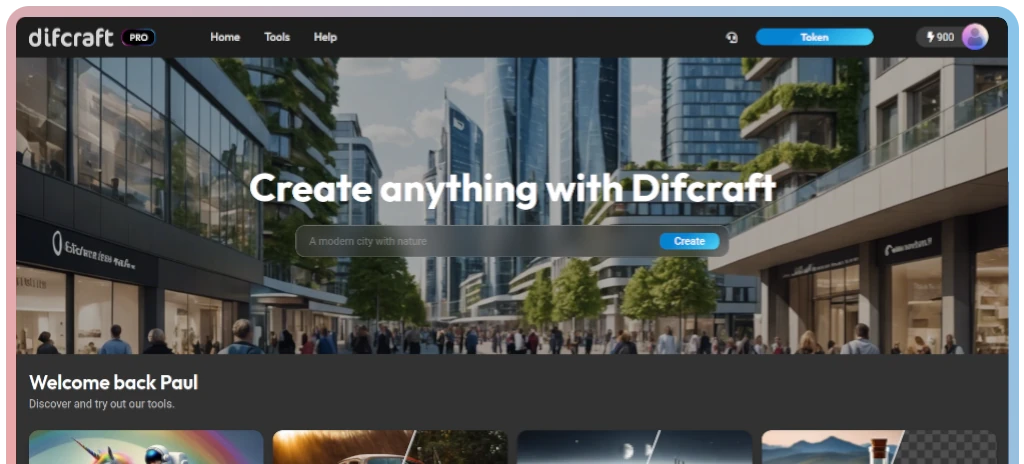
Note: Each sample image in this post was created on Difcraft
Photorealism aims to create images that are virtually indistinguishable from real photographs. This style focuses on high levels of detail, accurate lighting, and realistic textures.
Techniques in Midjourney
To achieve photorealism in Midjourney:
- Detailed Prompts: Include specifics about lighting, textures, and environment.
- High-Resolution Settings: Opt for the highest quality outputs.
- Reference Images: Use real photos as inspiration for your prompts.
Applications
Photorealism is ideal for:
- Advertising: Creating realistic product images.
- Concept Art: Visualizing ideas with lifelike precision.
- Virtual Reality: Developing immersive environments.
2. Animation Style
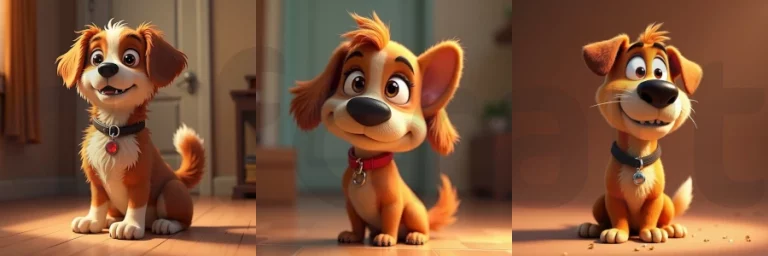
Embracing Animation Aesthetics
Animation style encompasses various sub-styles like traditional cartoons, anime, or 3D animation, characterized by stylized visuals and expressive characters.
Creating Animated Images
To achieve an animation style:
- Specify the Sub-Style: Include “anime,” “cartoon,” “Pixar-style,” etc.
- Exaggerate Features: Use prompts that encourage expressive faces and movements.
- Bold Outlines and Colors: Opt for strong lines and vibrant colors.
Applications
Animation style is useful for:
- Character Design: Developing unique and memorable characters.
- Storyboards: Planning out animations or narratives.
- Marketing Materials: Engaging audiences with dynamic visuals.
3. Cyberpunk and Futuristic Styles

Aesthetic Elements
This style features:
- Neon Lights: Bright, glowing colors.
- Dystopian Settings: Urban landscapes with a gritty feel.
- Advanced Technology Themes: Robots, holograms, and cybernetic enhancements.
Creating the Look
Utilize specific keywords:
- “Cyberpunk Cityscape”
- “Neon Glow”
- “Futuristic Technology”
Adjust settings for higher contrast and saturation.
Relevance
Cyberpunk styles are popular in:
- Sci-Fi Media: Movies, books, and games.
- Tech Projects: Visualizing future technologies.
- Fashion: Influencing edgy, modern designs.
Note: Flux.1 [dev] is best suited for this style.
4. Low Poly and Geometric Art
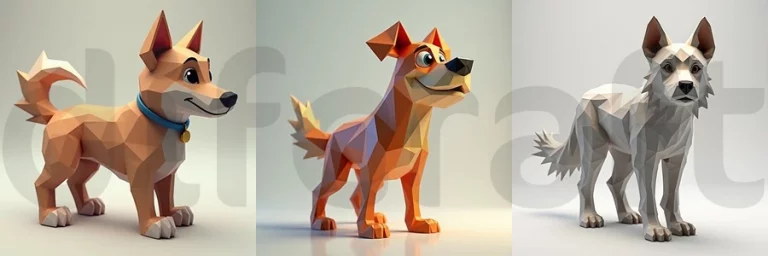
Understanding Low Poly
This style uses simple geometric shapes to create images that appear polygonal.
Generation Techniques
To produce low poly designs:
- Specify Shapes: Mention triangles, polygons, or geometric patterns.
- Limit Details: Focus on overall forms rather than textures.
- Color Gradients: Use shading to add depth.
Applications
Popular in:
- Animation: Simplified models for efficiency.
- Gaming: Stylized visual aesthetics.
- Graphic Design: Modern and sleek visuals.
5. Isometric Art
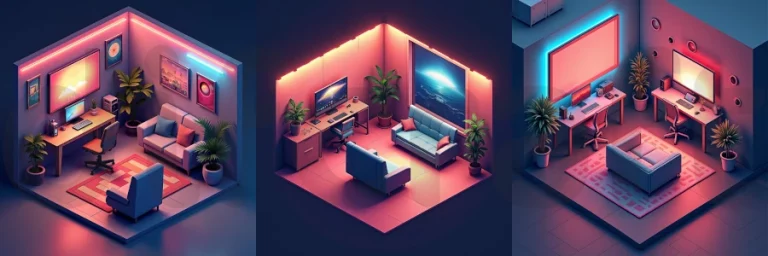
Understanding Isometric Style
Isometric art portrays three-dimensional objects in two dimensions using isometric projection, where the three coordinate axes appear equally foreshortened.
Generating Isometric Images in Midjourney
To produce isometric art:
- Include Style Keywords: Use “isometric view,” “3D block style,” or “geometric design.”
- Focus on Geometry: Emphasize shapes and structures.
- Clean Lines and Colors: Opt for precise lines and a consistent color palette.
Applications
Isometric art is popular in:
- Game Design: Especially for strategy and simulation games.
- Infographics: Visualizing data in a clear and engaging way.
- Architectural Illustrations: Representing buildings and interiors.
6. Miniature Photography
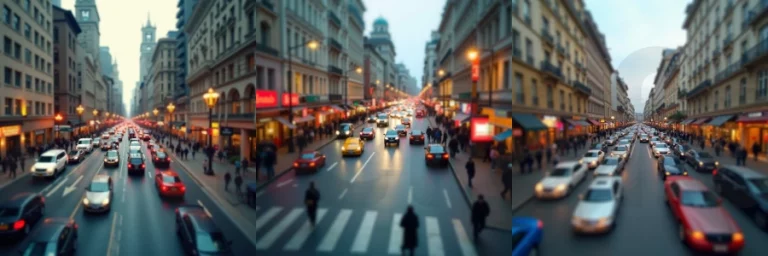
Exploring Miniature Style
Miniature photography makes real-life scenes appear as if they are miniature models, often achieved through specific focus and blurring techniques.
Generating Miniature Images
To create this effect:
- Specify Perspective: Use prompts like “tilt-shift effect” or “miniature model look.”
- Enhance Saturation: Vivid colors make the scene look toy-like.
- Blur Techniques: Include “selective focus” or “blurred foreground and background.”
Applications
Miniature style is great for:
- Landscape Photography: Giving a unique twist to familiar scenes.
- Creative Advertising: Capturing attention with a novel perspective.
- Artistic Expression: Challenging perceptions of scale and reality.
Note: Stable Diffusion XL is best suited for this style.
7. Polaroid Style
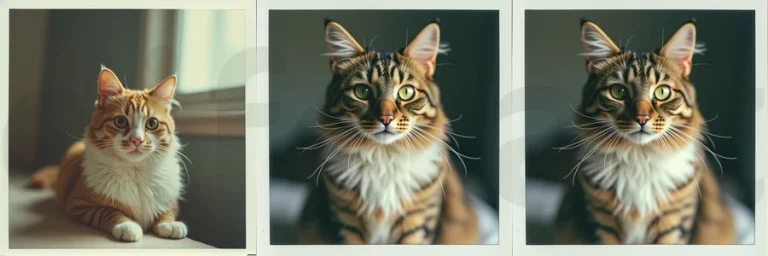
Nostalgic Appeal of Polaroid
The Polaroid style emulates the look of instant film photos, characterized by their iconic white borders and sometimes imperfect exposures, invoking a sense of nostalgia.
Creating Polaroid Images in Midjourney
To achieve this style:
- Include Frames: Prompt for “Polaroid border” or “instant film frame.”
- Adjust Color Tones: Use “vintage colors,” “slight overexposure,” or “faded hues.”
- Add Imperfections: Incorporate “light leaks” or “film grain” for authenticity.
Applications
Ideal for:
- Social Media Posts: Adding a retro feel to images.
- Event Marketing: Creating memorabilia for occasions.
- Art Projects: Blending modern subjects with vintage aesthetics.
8. Fantasy and Mythological Themes
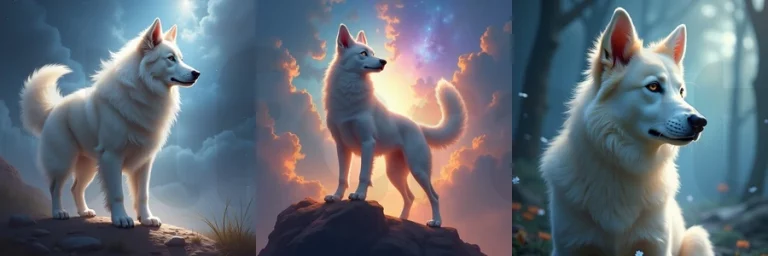
Exploring Fantasy Art
Elements include:
- Mythical Creatures: Dragons, unicorns, and elves.
- Enchanted Landscapes: Mystical forests and castles.
- Magic and Lore: Spells, artifacts, and legends.
Midjourney Techniques
To create fantasy images:
- Detailed Descriptions: Specify creatures or settings.
- Rich Imagery: Use vivid adjectives.
- Story Elements: Incorporate narrative prompts.
Impact on Media
Fantasy art is crucial in:
- Gaming: Character and world design.
- Films: Concept art and storyboarding.
- Literature: Book covers and illustrations.
9. Line Art
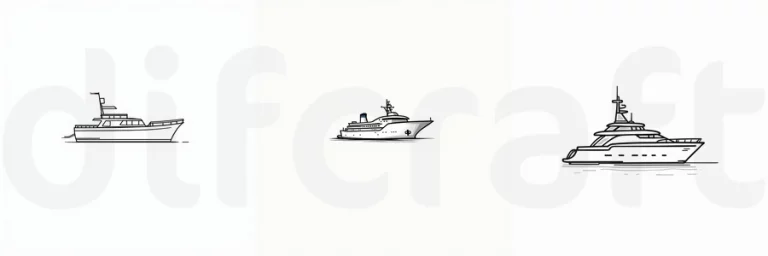
Understanding Line Art
Line Art focuses on the use of straight or curved lines without gradations in shade or hue to represent two-dimensional or three-dimensional objects.
Generating Line Art in Midjourney
To create line art:
- Simplify Your Prompts: Focus on outlines and contours.
- Specify Style Keywords: Use terms like “line drawing,” “outline,” or “sketch.”
- Monochromatic Palette: Opt for black and white or minimal color usage.
Applications
Line art is perfect for:
- Illustrations: Children’s books, manuals, and comics.
- Logo Design: Clean and scalable for various media.
- Tattoo Art: Creating designs that are easy to transfer.
10. Minimalism
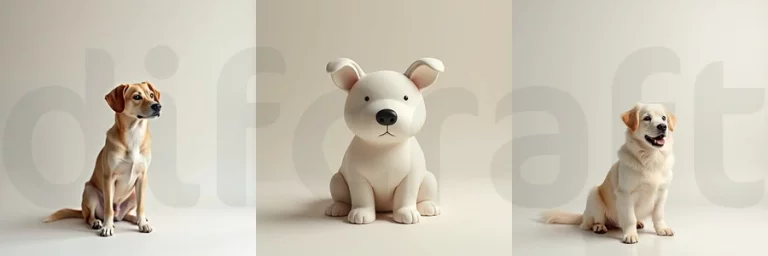
Principles
Minimalism focuses on simplicity, featuring:
- Clean Lines: Sharp, unembellished edges.
- Negative Space: Areas left intentionally blank.
- Essential Elements: Only what’s necessary is included.
Designing Minimalist Images
Tips:
- Simplify Prompts: Focus on one subject.
- Limit Colors: Use a minimal color palette.
- Emphasize Composition: Consider balance and alignment.
Benefits
Minimalism enhances:
- Clarity: Easier for viewers to understand.
- User Engagement: Effective in UI/UX design.
- Aesthetics: Modern and sleek appearance.
If you want to know if you can use these images commercially look here
Midjourney styles: Conclusion & Additional Resources
The transformative power of styles in AI image generation cannot be overstated. By exploring these ten creative styles, you can unlock new levels of artistry in your work with Midjourney styles. Whether you’re aiming for the lifelike precision of photorealism or the bold expressions of pop art, there’s a world of possibilities waiting for you.
Embrace experimentation and let your creativity guide you. The realm of AI-generated art is vast and ever-growing, offering endless opportunities to innovate and inspire. So dive in, try out different art styles for AI, and see where your imagination takes you.
Midjourney styles: Tutorials
- Midjourney Guide: Official Midjourney Documentation
- AI Art Techniques: Online courses on AI image generation.
Midjourney styles: Communities
- Reddit: Join the r/Midjourney subreddit.
- Discord: Participate in AI art servers for collaboration.
- Prompt-marketplace: https://promptbase.com/